
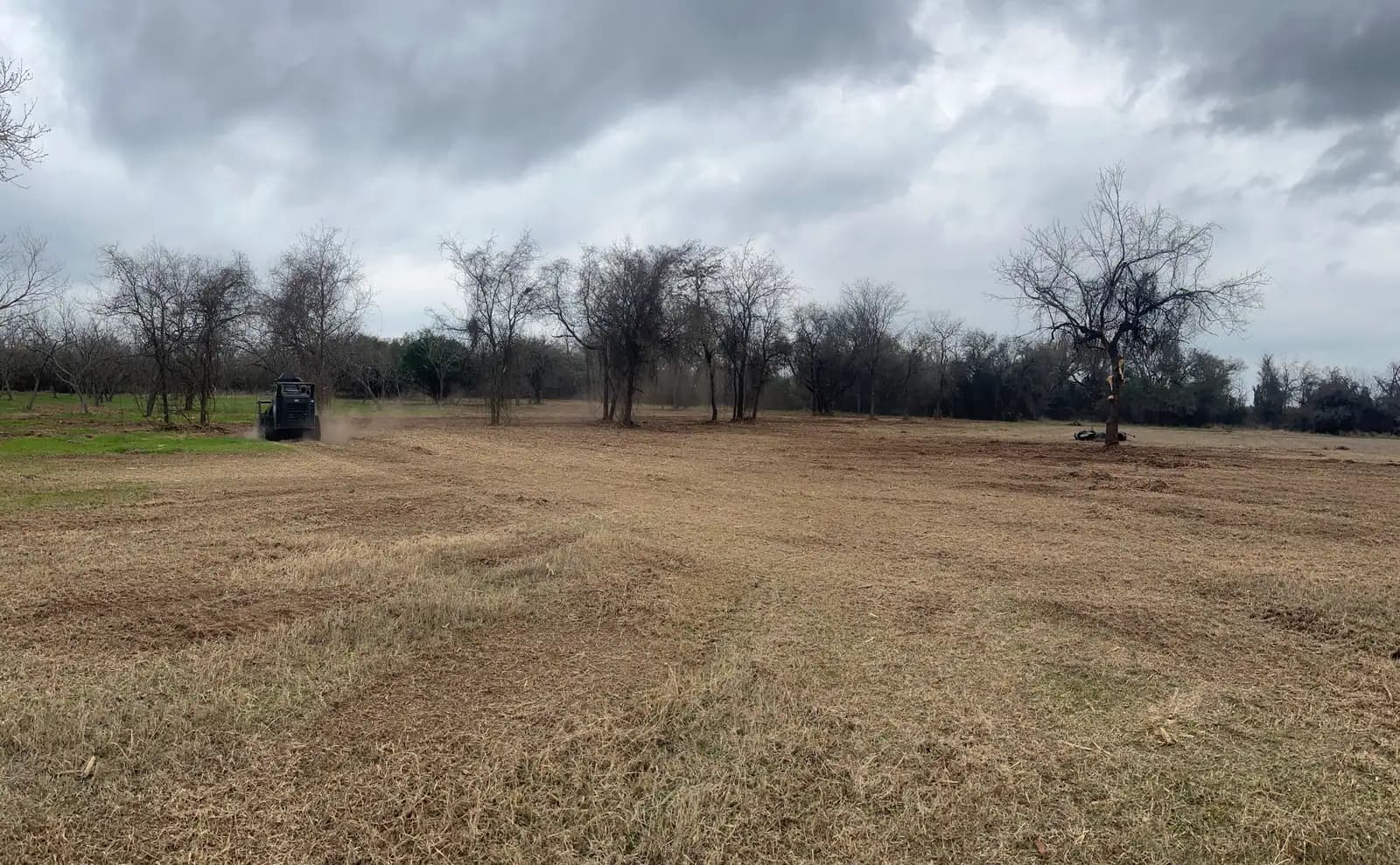
Skid Steer Forestry Mulching in Granbury, TX
Not every clearing job needs a bulldozer, and on a lot of Granbury properties a dozer is the wrong tool entirely. Skid steer forestry mulching puts a compact, high-powered machine to work on the brush, cedar, and small trees choking your land. It fits through a standard ranch gate, works between the trees you want to keep, and leaves topsoil in place. Black Knuckle Land Management runs skid steer mulching across Hood County, from wooded homesites near Lake Granbury to brushy acreage out toward Tolar.
What Skid Steer Forestry Mulching Actually Involves
Skid steer forestry mulching pairs a compact loader with a hydraulic mulching head that cuts and grinds vegetation in one pass. The problem it solves is access and precision. A dozer pushes everything, roots and topsoil included, into a pile that then has to be burned or hauled, and it can't work tight around a house or a stand of oaks. A skid steer mulcher chews through brush and trees where they stand.
The key spec is hydraulic flow. Standard-flow loaders run roughly 17 to 25 gallons per minute and struggle past light brush, while high-flow machines push 30 gallons per minute or more to keep the drum at cutting speed in dense cedar. The drum carries hardened teeth that shred wood on contact, a push bar guides trees into the head, and skid shoes set how close the drum runs to the ground so it cuts stumps low without digging in. The operator works in overlapping passes, topping trees first and then taking stems and stumps down near grade. You'll hear it working, but the machine is off the site as soon as the scope is done. What you're left with is open ground under a layer of mulch, with the grass roots intact and no ruts or burn scars to fix afterward.
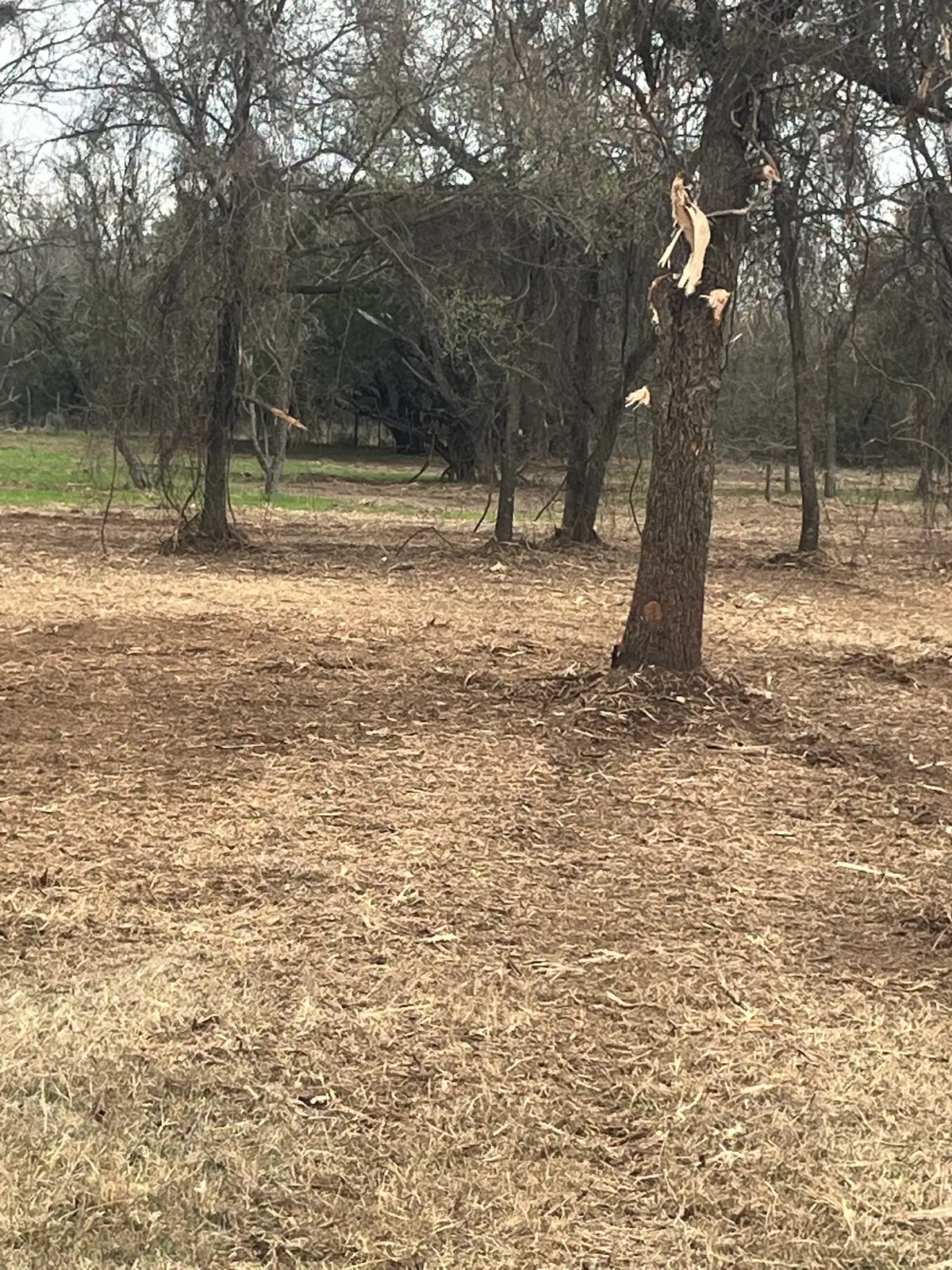
Our Skid Steer Forestry Mulching Process
- 1
Check Access and Ground Conditions
We start by confirming the machine can reach the work: gate widths, cattle guards, culvert crossings, and slopes. We check for wet ground, since a loaded skid steer on saturated clay leaves ruts that outlast the brush. If conditions aren't right, we'll tell you and reschedule rather than tear up your property.
- 2
Mark Keepers and Hazards
We walk the area with you and flag every tree that stays, along with fence wire, T-posts, septic lids, well heads, and irrigation lines. Rock ledges get noted too, because limestone is hard on cutting teeth and changes how the operator runs the head. Clear marks prevent the mistakes you can't undo.
- 3
Unload and Set a Safety Zone
The skid steer comes off the trailer at the closest firm spot to the work. We set a safety perimeter, because a mulching head can throw chips and debris well beyond the machine. People, pets, and livestock stay outside it while the head is spinning.
- 4
Mulch in Controlled Passes
The operator tops each tree first so the canopy feeds into the drum, then takes the trunk and stump down near ground level. Brush is worked in overlapping passes, and the skid shoes keep the drum from gouging soil. Around keeper trees, the operator slows down and keeps the head clear of trunks and root flares.
- 5
Clean Up and Check the Finished Ground
We check the finished area for missed stems and spread any heavy mulch before loading out. The result is open, usable ground with its topsoil and grass roots intact. The land is ready for a fence, a pad, or a season of grazing.
Skid Steer Mulching Around Granbury and the Surrounding Area
A skid steer's compact footprint is a real advantage on Granbury-area properties. Gated communities like Pecan Plantation have wooded homesites where a dozer simply won't fit, and lakefront lots around DeCordova and Oak Trail Shores often have neighbors, docks, and utilities close by. Out toward Lipan, Tolar, and Cresson, ranch gates and cattle guards set the size limit on what equipment can reach the back pasture.
We cover about an hour to an hour and a half from Granbury, including Glen Rose, Cleburne, Stephenville, Weatherford, Springtown, and Palo Pinto County. Ground conditions vary across that area. Rocky limestone near Glen Rose and along the Paluxy River slows production, while sandier Cross Timbers soils recover quickly after mulching. The Black Knuckle Land Management homepage has more on the full range of work our crew handles.
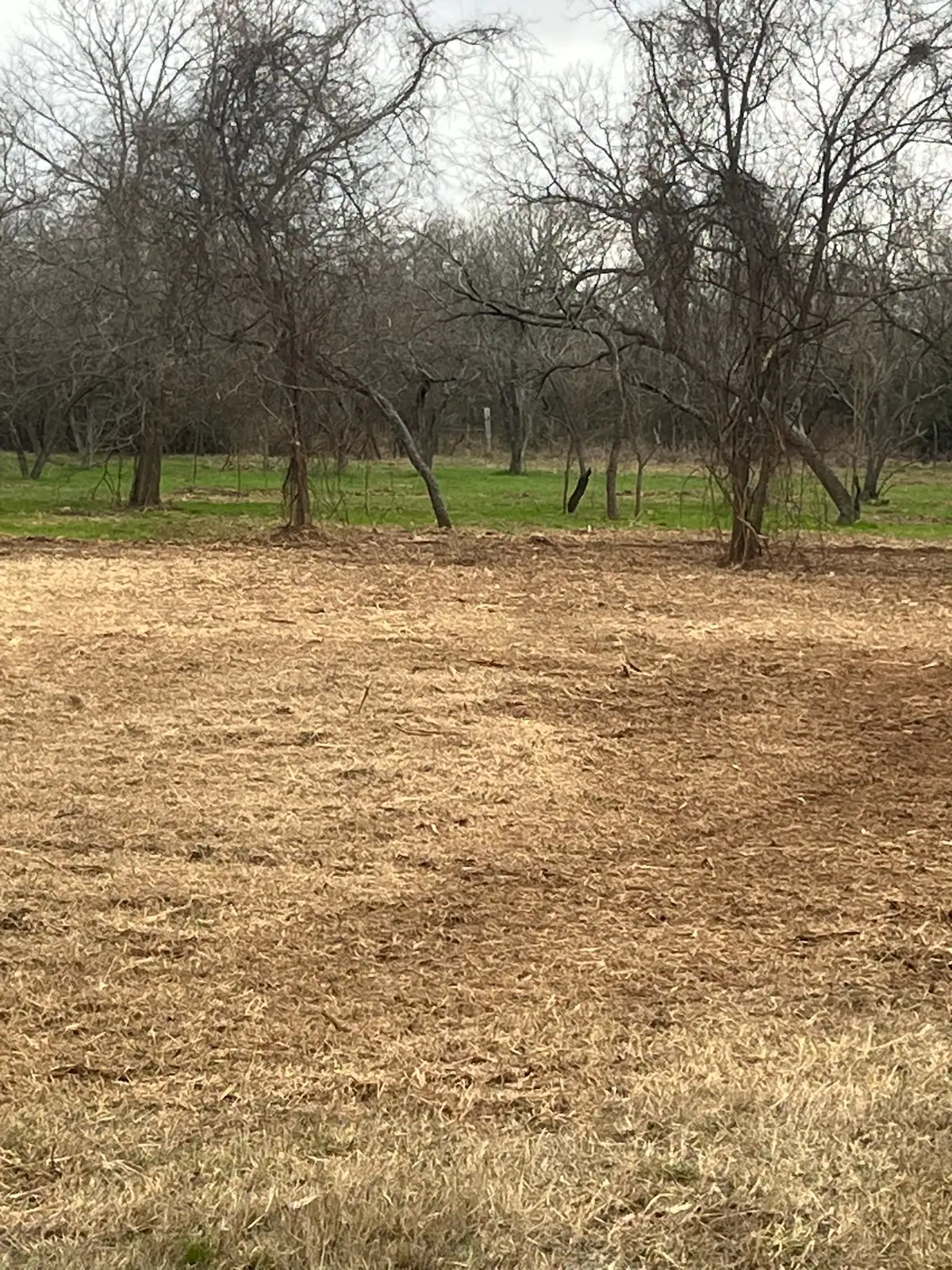
Why Landowners Choose Black Knuckle for Skid Steer Forestry Mulching
We clear land with the right-sized machine for the job, and we'll tell you when the job needs something different. Texas A&M AgriLife's guide to brush management methods covers heavier approaches such as bulldozing, root plowing, and chaining, which make sense on big, open tracts headed for cultivation. For homesites, fence lines, and selective clearing, a skid steer mulcher disturbs far less ground and leaves no debris to manage.
Black Knuckle started by clearing our own ranch with the same kind of machine we bring to yours. Our operators came to us with prior heavy-equipment experience, and because the crew is small, you deal directly with the people doing the work. Get to know the Black Knuckle crew and the ranch behind it.
We also respect the trees you're keeping. The Texas A&M Forest Service warns that any fresh wound on an oak, including damage from land clearing, can let oak wilt in, with February through June being the riskiest window. That's why our operators keep the head well away from oak trunks and root flares. And when the clearing is done and you need dirt moved, our crew handles light dirt work such as spreading and shaping.
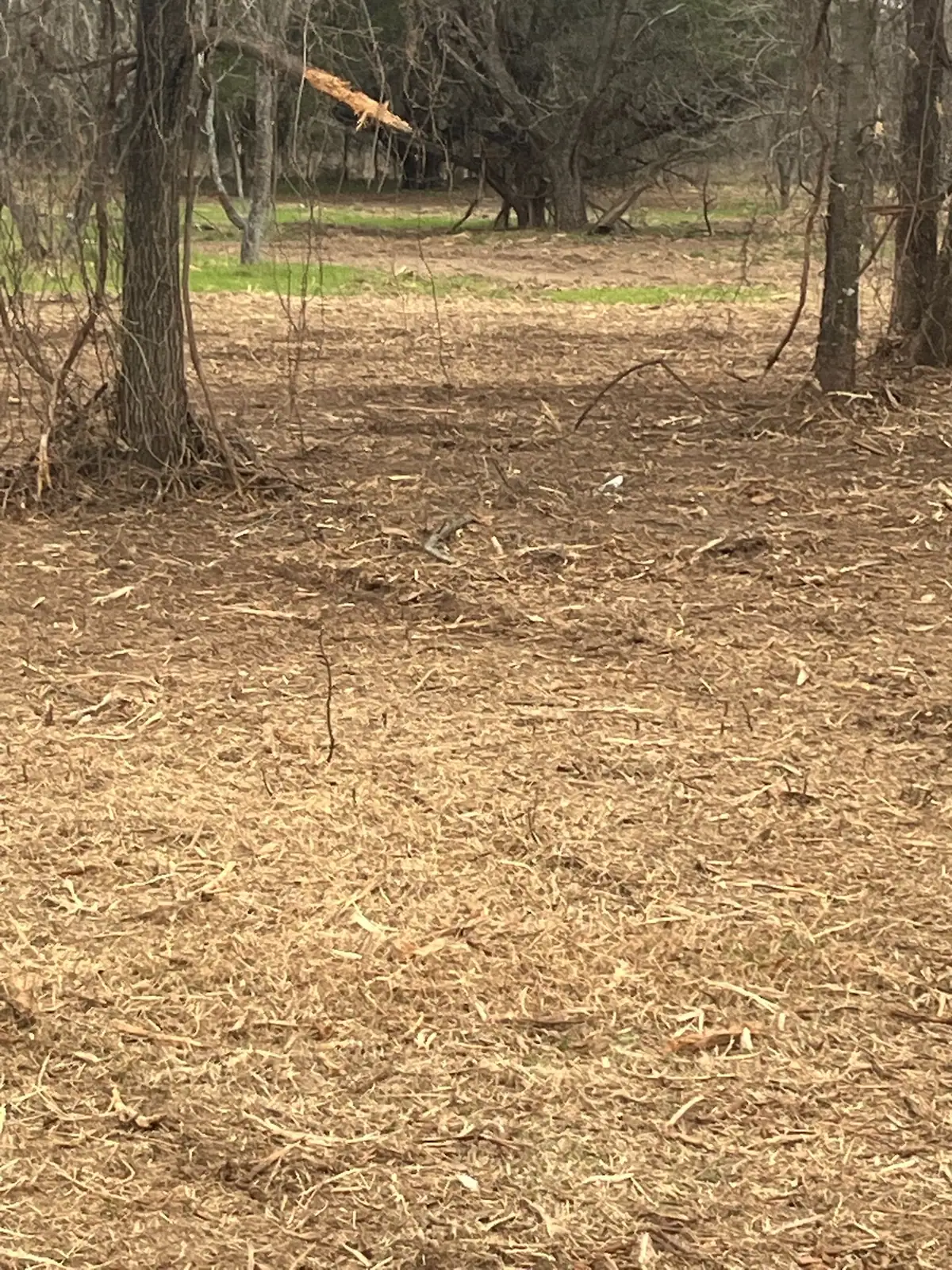
See the Work in Motion
Swipe or tap the arrows to see more clips.
Skid Steer Forestry Mulching FAQs
Want to see what a skid steer mulcher can do on your land? Contact our team or call (254) 269-6960. You can also compare methods on our main forestry mulching page.
What size skid steer do you need for forestry mulching?
Serious forestry mulching calls for a high-flow machine, generally 30 gallons per minute or more of hydraulic flow and enough horsepower to keep the drum at speed under load. Standard-flow machines can handle light brush but bog down in dense cedar and larger stems.
Is a skid steer or a bulldozer better for land clearing?
A bulldozer is faster at wholesale clearing on large, open tracts where you want roots out and don't mind burning or hauling piles. A skid steer mulcher is better when you want to keep topsoil, save some trees, avoid burn piles, or work in tight spaces.
Will a skid steer tear up my yard or pasture?
On firm ground, a skid steer mulcher leaves the root mat intact and the surface covered in mulch. On wet clay, any loaded machine can rut, which is why we check ground conditions first and reschedule when needed.
How many acres can a skid steer mulcher clear in a day?
Industry figures for skid steer mulchers run about 1 to 4 acres per day. Light brush on flat ground sits at the high end, while dense cedar, rocky ground, or slopes can drop production to an acre or less. We estimate your production rate after walking the property.
Can your machine fit through my gate?
Most standard ranch and residential gates work, but we confirm the width and approach during the estimate.
Serving Granbury and the Surrounding Area
We're based in Granbury and work within about an hour to an hour and a half of home.
Ready to Clear Your Land?
Whether it's overgrown acreage, a pasture that needs mowing or a driveway that washes out every rain, we'll give you an honest assessment and a fair price. Every estimate is free, and we cover Granbury and the surrounding area within about an hour and a half.